Specialist Diabetic Foot Care & Assessments
We Help Diabetics With Podiatry Services in Croydon
Living with diabetes means paying extra attention to your overall health, and your feet should be at the very top of that list. For individuals with Type 1 or Type 2 diabetes, a minor foot problem like a small blister, a tiny cut, or an ingrown toenail can quickly escalate into a serious medical complication if left untreated.
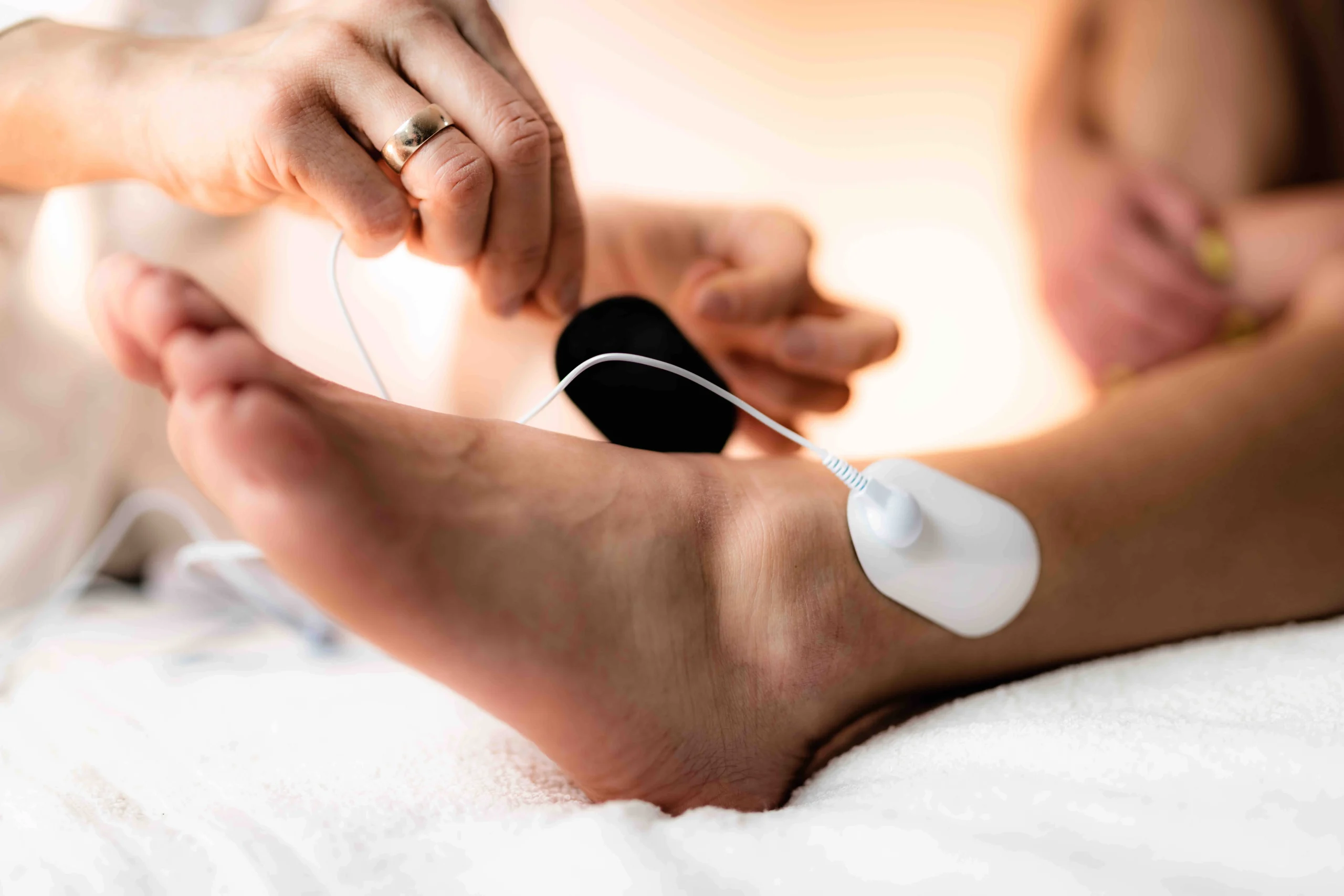
Safe and Careful Nail Treatments For Diabetics
At Medi Pedicure, located on Brighton Road, South Croydon, our HCPC-registered podiatrists provide comprehensive diabetic foot assessments and specialist clinical foot care. We help patients across Croydon and Surrey protect their feet, prevent painful ulcers, and manage the long-term effects of diabetes safely and professionally.
Whether you are looking for a diabetic foot check, need safe nail cutting for diabetics, or simply want the peace of mind that comes from expert chiropody care, you are in the safest possible hands.

EXCELLENT Based on 21 reviews
 Posted on Google
 Eric MengiMy honest review,I am very happy with the treatment I got for my fungal nail.I waited a few weeks before I posted my review because I wanted to see if the treatment recommended worked. I can see an incredible improvement in my nail since my last appointment. I have been struggling with fungal nail for years and tried multiple other treatments which did nothing for me. I highly recommend Medical Pedicure clinic.Posted on Google
 Celia Addo MensahAn excellent reception and treatment received at Medical Pedicure. Podiatrist Maliheh was very nice and had confidence during the session . Maliheh followed her Superiors' instructions and did a fantastic jobPosted on Google
 Paige HarrisAmazing experience! My first medical pedicure - My feet feel so clean, soft and refreshed. The treatment was professional, thorough and relaxing. I’ll definitely be coming back!Posted on Google
 Nirmala AnthonipillaiExcellent service. Renda provided a beautiful treatment for my toe nail fungal infection that I feel much better and healthier on my nail. Thank you .Posted on Google
 Mehroz NaeemAmazing I have the deluxe medical pedicure and I left feeling line I am on cloud 9! Renda is amazing, skillful and is so kind to explain every step what she is doing with good level of clinic background! 100 percent it’s worth every penny! Without any judgement Renda took care of my feet with great passion!Posted on Google
 James Swann-PhillipsReally great service, strongly recommend.Posted on Google
 Vesta RoyI went because of ingrown toe nails, service and professionalism was 5 stars Now my feet are comfortable within my shoes again I definitely would recommend to family and friends or anyone who requires good servicePosted on Google
 Sam GboSkilled podiatrist, made me feel comfortable and confident about my feet, I have been embarrassed of my feet for years and she came and restored them to a healthy condition, I will definitely be coming backPosted on Google
 Donna HenryI had my ingrown toe nail removed,it was such a pain free process. I highly recommend this service.Posted on Google
 Amy SavageI had been struggling with a painful ingrown toenail for months and finally booked an appointment with MediPedicure Clinic after searching for an ingrown toenail specialist in Croydon. The podiatrist was friendly, professional and explained everything before starting treatment. The pain was relieved almost immediately, and I couldn't believe how much better my toe felt afterwards. The clinic was immaculate, and I wouldn't hesitate to recommend them to anyone needing professional ingrown toenail treatment.
Why Does Diabetes Affect the Feet?
Elevated blood glucose (sugar) levels over a prolonged period can cause systemic damage to your body. When it comes to your lower limbs, diabetes creates two primary high-risk conditions:
Peripheral Neuropathy
Nerve damage caused by high blood sugar levels.
Causes a loss of protective sensation (numbness). You may step on a sharp object or develop a blister without feeling any pain.
Peripheral Arterial Disease (PAD)
Poor blood circulation due to narrowed or blocked blood vessels.
Reduces the blood flow needed to heal wounds. A minor cut can remain open for months, making it highly susceptible to infection.
When these two conditions combine, the risk is severe: you might sustain an injury you cannot feel (neuropathy), and your body lacks the blood flow required to heal it (ischemia). This is how dangerous diabetic foot ulcers form.
Warning Signs
When to Seek Immediate Care
If you are diabetic, you must inspect your feet daily. Do not wait for your annual check-up if you notice any of the following warning signs, contact our clinic immediately:
Loss of feeling, numbness, or a "pins and needles" tingling sensation
Cuts, blisters, or sores that are slow to heal
A change in skin colour (redness, blue/purple patches, or extremely pale skin)
Unusual temperature changes (one foot feels significantly hotter or colder than the other)
Changes in the shape of your foot (which can indicate Charcot arthropathy, a serious bone condition)
Thickened, fungal, or ingrown toenails that are difficult to manage safely at home
The Medi Pedicure Diabetic Foot Assessment
Every person with diabetes should have a professional foot examination at least once a year. Our comprehensive screening is designed to catch potential problems before they become critical.
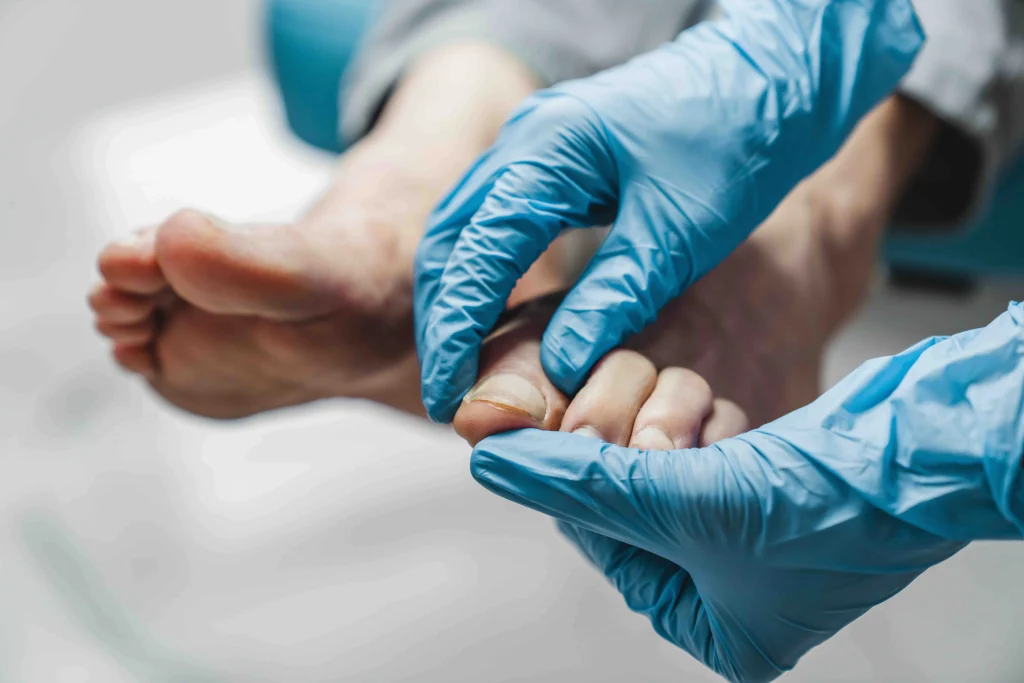
Step 1: Vascular Assessment (Circulation Check)
We check the blood flow to your feet. We physically palpate your foot pulses (dorsalis pedis and posterior tibial pulses) and use a clinical Doppler ultrasound device to listen to the quality of the blood flow in your arteries.
Step 2: Neurological Assessment (Nerve Check)
We test your protective sensation using a 10g monofilament (a small, painless plastic wand applied to specific points on your foot) and a tuning fork to check your vibration perception. This tells us exactly how much feeling you have retained in your extremities.
Step 3: Dermatological and Musculoskeletal Check
We thoroughly examine the skin for signs of dryness, cracking, callus buildup, and early signs of ulceration. We also assess your joint mobility and foot mechanics to identify high-pressure areas that could cause future tissue breakdown.
Step 4: Risk Categorisation and Routine Care
Based on our findings, we classify your feet as Low, Moderate, or High Risk. We then provide safe, sterile routine care, trimming your nails perfectly straight, painlessly removing any hard skin or corns with a sterile scalpel, and applying professional hydration.
Serving Croydon and Surrounding Areas
Our modern, welcoming clinic at Collaborative One, 360 Brighton Road, South Croydon (CR2 6AL) is easily accessible, making it simple to get the premium foot care you deserve. We regularly welcome clients from:
- South Croydon & Central Croydon
- Purley & Kenley
- Sanderstead & Selsdon
- Shirley & Addiscombe
- Coulsdon
- Waddon & Wallington
Located on Brighton Road, South Croydon (CR2), Medi Pedicure is perfectly situated for easy access.
Why You Must Avoid Standard Nail Salons
If you have diabetes, a standard cosmetic pedicure on the high street is simply not worth the risk.
High-street salons often use communal foot spas that can carry bacteria, aggressive metal cheese grater foot files that cause micro-tears in the skin, and improperly sterilised tools. For a diabetic patient with poor circulation or reduced feeling, a small nick from a salon cuticle clipper can quickly lead to a severe infection or an ulcer.
At Medi Pedicure, all our instruments are vacuum-autoclaved (sterilised to hospital standards), and our treatments are performed dry, eliminating the risk of water-borne bacteria. We provide the cosmetic finish you want with the clinical safety you need.

Frequently Asked Questions
We understand that managing diabetes can be overwhelming. Here are the clear, honest answers to the most common questions we receive regarding diabetic foot care.
How often should a diabetic see a podiatrist?
This depends entirely on your risk level. If your circulation and nerve sensation are excellent (Low Risk), we recommend an annual assessment with routine care every 8–12 weeks. If you have moderate or high-risk feet, we may need to see you every 4–6 weeks for strict monitoring and preventative care.
Can I cut my own toenails if I have diabetes?
If your eyesight is perfect, your flexibility is good, and you have full sensation in your toes, you can cut your own nails, but you must cut them straight across and gently file the edges. Never cut down into the corners. If you struggle to reach your feet, have poor eyesight, or suffer from neuropathy, do not attempt to cut them yourself. Let our professionals handle it safely.
Will my GP or the NHS provide this care?
The NHS provides excellent, life-saving care for active diabetic foot emergencies (like open ulcers or severe infections). However, due to extreme demand, routine preventative nail cutting and callus removal for low-to-moderate risk diabetics are no longer widely available on the NHS. Private clinics like MediPedicure fill this vital gap, providing immediate preventative care without the wait.
What should I look for when checking my feet at home?
Check the tops, bottoms, and the spaces between your toes every single day. Look for cuts, grazes, blisters, red spots, swelling, or signs of fungal infections (like Athlete’s foot). If you cannot see the bottom of your feet, place a mirror on the floor or ask a family member to help.
How can I keep my feet safe on a daily basis?
- Never walk barefoot, not even indoors. Always wear supportive, enclosed slippers or shoes.
- Check your shoes before putting them on. A small pebble or a wrinkled insole can cause a blister that you might not feel.
- Wash your feet daily in lukewarm water (never hot—test the water with your elbow first).
- Dry thoroughly, especially between the toes, to prevent fungal infections.
- Moisturise daily, but never apply cream between the toes, as this can cause the skin to become overly soft and break down.
What is a diabetic foot ulcer?
An ulcer is a break in the skin (a sore or wound) that fails to heal. Because diabetics often have reduced blood flow, the tissue struggles to repair itself, and the wound becomes deeper over time. Ulcers are highly prone to serious bacterial infections, which can spread to the bone. Preventing ulcers through regular podiatry appointments is our ultimate goal.
Are there specific socks or shoes I should wear?
Yes. Avoid socks with tight elastic bands at the top, as these restrict blood flow. Look for seamless diabetic socks (made of bamboo or cotton) that will not rub against your toes. Your shoes should have a wide, deep toe-box to prevent pressure on the joints, and a secure fastening (laces or velcro) to stop your foot from sliding inside the shoe.
Protect Your Feet Today
Preventative care is the absolute best defence against diabetic foot complications. Don’t wait for a problem to arise; establish a baseline for your foot health today in a clean, safe, and professional clinical environment.