Professional Hard Skin & Callus Removal in Croydon
Are you embarrassed by dry, rough feet or suffering from painful, cracked heels?
Hard skin isn’t just a cosmetic issue; when left untreated, it can cause a burning sensation when you walk, tear open into painful fissures, and significantly impact your mobility.
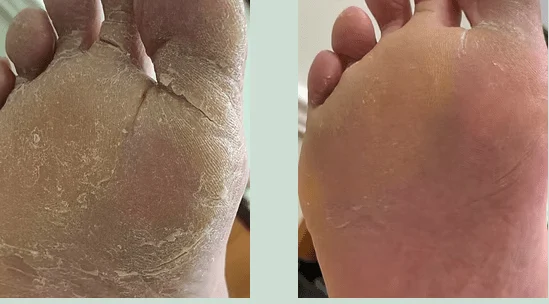
Back on Your Feet
At Medi Pedicure, located on Brighton Road, South Croydon, our highly skilled podiatrists and foot care specialists provide expert, painless hard skin and callus removal. We go far beyond standard cosmetic pedicures, using sterilised medical instruments to safely restore your feet to a smooth, healthy, and pain-free condition.
Whether you are searching for a chiropodist for hard skin, need urgent help for bleeding cracked heels, or simply want perfectly smooth feet for the summer, we deliver clinical results you can see and feel immediately.

EXCELLENT Based on 21 reviews
 Posted on Google
 Eric MengiMy honest review,I am very happy with the treatment I got for my fungal nail.I waited a few weeks before I posted my review because I wanted to see if the treatment recommended worked. I can see an incredible improvement in my nail since my last appointment. I have been struggling with fungal nail for years and tried multiple other treatments which did nothing for me. I highly recommend Medical Pedicure clinic.Posted on Google
 Celia Addo MensahAn excellent reception and treatment received at Medical Pedicure. Podiatrist Maliheh was very nice and had confidence during the session . Maliheh followed her Superiors' instructions and did a fantastic jobPosted on Google
 Paige HarrisAmazing experience! My first medical pedicure - My feet feel so clean, soft and refreshed. The treatment was professional, thorough and relaxing. I’ll definitely be coming back!Posted on Google
 Nirmala AnthonipillaiExcellent service. Renda provided a beautiful treatment for my toe nail fungal infection that I feel much better and healthier on my nail. Thank you .Posted on Google
 Mehroz NaeemAmazing I have the deluxe medical pedicure and I left feeling line I am on cloud 9! Renda is amazing, skillful and is so kind to explain every step what she is doing with good level of clinic background! 100 percent it’s worth every penny! Without any judgement Renda took care of my feet with great passion!Posted on Google
 James Swann-PhillipsReally great service, strongly recommend.Posted on Google
 Vesta RoyI went because of ingrown toe nails, service and professionalism was 5 stars Now my feet are comfortable within my shoes again I definitely would recommend to family and friends or anyone who requires good servicePosted on Google
 Sam GboSkilled podiatrist, made me feel comfortable and confident about my feet, I have been embarrassed of my feet for years and she came and restored them to a healthy condition, I will definitely be coming backPosted on Google
 Donna HenryI had my ingrown toe nail removed,it was such a pain free process. I highly recommend this service.Posted on Google
 Amy SavageI had been struggling with a painful ingrown toenail for months and finally booked an appointment with MediPedicure Clinic after searching for an ingrown toenail specialist in Croydon. The podiatrist was friendly, professional and explained everything before starting treatment. The pain was relieved almost immediately, and I couldn't believe how much better my toe felt afterwards. The clinic was immaculate, and I wouldn't hesitate to recommend them to anyone needing professional ingrown toenail treatment.
What are Calluses and Hard Skin (Hyperkeratosis)?
Your skin is incredibly smart. When a specific area of your foot is subjected to excessive pressure or friction, the body protects the underlying tissues by producing thicker layers of skin. Medically, this buildup of dead skin cells is known as hyperkeratosis. When it forms in a broad, flat area (typically on the soles, heels, or balls of the feet), it is called a callus (or callosity).
Because people describe this condition in many ways, you might need our expert foot care if you are experiencing:
Thick, yellowish patches of dead skin on the bottom of your feet
A burning or stinging sensation on the balls of your feet when standing or walking
Cracked heels (heel fissures) that catch on your socks, sting in the shower, or bleed
Rough, dry, and flaky skin that standard moisturisers cannot penetrate
Painful foot pads that feel like you are walking on stones
Hard ridges along the edges of your toes or the sides of your feet
If you are dealing with any of these issues, it is time to put down the pumice stone and seek professional chiropody care.
Why Do I Have Hard Skin on My Feet?
Understanding why calluses form is the key to preventing them from coming back rapidly.
| Cause | How It Leads to Hard Skin & Calluses |
|---|---|
| Ill-Fitting Footwear | Shoes that are too tight, too loose, or lack cushioning cause friction and pressure points as you walk. |
| Prolonged Standing | Jobs that require being on your feet all day (nursing, retail, hospitality) place constant, heavy pressure on the soles. |
| Biomechanics & Gait | Flat feet, high arches, or the way you naturally walk can force certain areas of your foot to bear more weight than others. |
| Ageing | As we get older, we naturally lose the fatty, cushioning pads on the soles of our feet, increasing friction on the skin and bones. |
| Foot Deformities | Bunions, hammertoes, or prominent joints create localized high-pressure areas inside your shoes. |
The Medi Pedicure Treatment Process: Smooth, Pain-Free Feet
Many patients spend years buying expensive foot creams and files with little success, only to be amazed by what a podiatrist can achieve in a single 45-minute session. Here is how we do it:
Step 1: Foot Assessment
We begin by examining your feet to determine the extent of the hard skin, identify the underlying causes of the pressure, and ensure there are no hidden corns or fungal skin infections (like athlete’s foot) beneath the callus.
Step 2: Painless Scalpel Debridement
This is where clinical foot care differs completely from a high-street beauty salon. Using a sterile, surgical scalpel, our highly trained professionals skillfully and gently shave away the thick layers of dead, yellowish skin. Because this skin contains no nerve endings or blood vessels, the process is completely painless. Patients often describe it as a highly satisfying and relieving experience.
Step 3: Skin Smoothing and Refining
Once the bulk of the callus is removed, we use specialised podiatry sanding tools (electric files) to smooth the skin’s surface, leaving the texture refined, soft, and even.
Step 4: Intensive Hydration
We finish the treatment by massaging a high-quality, professional-grade emollient (usually containing urea) deeply into the newly exposed healthy skin to lock in moisture and improve elasticity.
Step 5: Preventative Advice
We don’t just treat the symptoms; we want to help you in the long term. We will provide tailored advice on footwear, daily moisturising routines, and, if necessary, suggest custom orthotics (insoles) to redistribute pressure and reduce the calluses.
Serving Croydon and Surrounding Areas
Our modern, welcoming clinic at Collaborative One, 360 Brighton Road, South Croydon (CR2 6AL) is easily accessible, making it simple to get the premium foot care you deserve. We regularly welcome clients from:
- South Croydon & Central Croydon
- Purley & Kenley
- Sanderstead & Selsdon
- Shirley & Addiscombe
- Coulsdon
- Waddon & Wallington
Located on Brighton Road, South Croydon (CR2), Medi Pedicure is perfectly situated for easy access.
Frequently Asked Questions
We want you to feel totally relaxed before your appointment.
Does scalpel removal hurt?
Not at all. The thick callus is composed entirely of dead skin cells (keratin) and has no nerves. Our podiatrists are extensively trained to know exactly how much skin to remove safely. You will feel pressure and a scraping sensation, but no pain. Most patients feel instant relief when they stand up after the treatment.
Why shouldn't I use a 'cheese grater' foot file at home?
Aggressive metal foot files or cheese graters can tear the skin rather than remove it smoothly. More importantly, if you file away too much skin too quickly, the body panics and reacts to the “trauma” by rapidly growing back even thicker skin to protect the area. Professional scalpel debridement removes the skin cleanly without triggering this trauma response.
Are acid "foot peeling" socks safe?
We strongly advise against using chemical foot peel masks. These rely on strong, uncalibrated acids that indiscriminately strip away skin. They cannot tell the difference between healthy skin and dead skin, often leading to chemical burns on the softer tops of your feet while failing to penetrate the thickest calluses on your heels.
What is the difference between a callus and a corn?
A callus is a broad, diffuse area of thickened skin that forms over wider areas of pressure, like the heel or ball of the foot. It often causes a burning sensation. A corn is a concentrated, conical plug of hard skin that pushes deeply into the foot (like a stone in your shoe) and usually hurts when pressed directly. We routinely treat both conditions simultaneously.
Why do my heels crack and bleed?
The skin around the rim of your heel is under massive pressure when you stand. If that skin is thick, dry, and inflexible, it cannot stretch under your body weight. Instead, it snaps open, creating a fissure. If the fissure splits deeply enough to reach the healthy tissue below, it will bleed and become highly susceptible to bacterial infection.
I am diabetic. Is it safe for me to have hard skin removed?
Yes, but it must only be done by a qualified foot care professional. Diabetes can cause neuropathy (loss of sensation) and poor circulation, meaning you might not feel if you injure yourself trying to remove hard skin at home, leading to dangerous foot ulcers. Having your feet treated at MediPedicure is the safest way to manage diabetic foot health.
How long will my feet stay smooth?
This depends on your lifestyle, footwear, and foot mechanics. For most people, a professional treatment leaves the feet smooth for 4 to 8 weeks. To maintain the results, we will recommend a specific urea-based foot cream to use daily at home. Regular maintenance appointments (every 6-8 weeks) are the best way to keep calluses at bay permanently.
Should I soak my feet before I come in?
No, there is no need to prep your feet. In fact, it is easier for us to see the exact boundaries of the calloused tissue and treat it accurately when the skin is dry. Just arrive as you are!
Walk on Air Again
Don’t let dry, painful, or unsightly hard skin hold you back. Experience the relief of walking on expertly smoothed, healthy feet.